
The Arizona Farm Winery Act (AFWA) has spurred growth in southern Arizona's wine industry, enabling on-site sales, direct-to-consumer shipping, and educational wine tours. These tours highlight local agriculture, viticulture history, and sustainable practices, fostering tourism, economic growth, and community engagement. To maximize impact, tour organizers should partner with diverse wineries, offering engaging experiences that appeal to a broad audience interested in Arizona's agricultural heritage.
Educational tours play a vital role in connecting communities to their agricultural heritage and fostering an appreciation for local industries. In the context of southern Arizona, where wine tourism is thriving, understanding the impact of the Arizona Farm Winery Act is crucial. This legislation has paved the way for innovative agritourism opportunities, particularly within the state’s burgeoning wine industry. By exploring the Act’s implications, we gain insights into how wine tours in southern Arizona can evolve to become educational experiences that enrich visitors’ knowledge and respect for local farmers and vintners while promoting sustainable agricultural practices.
- Understanding Arizona's Farm Winery Act: A Legal Perspective
- Exploring Wine Production in Southern Arizona's Farms
- Educational Tours: Unveiling the Impact on Local Wine Industries
Understanding Arizona's Farm Winery Act: A Legal Perspective
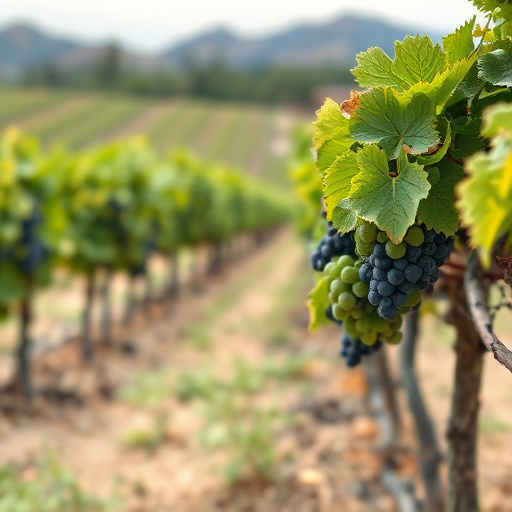
The Arizona Farm Winery Act (AFWA) has significantly reshaped the legal landscape for wineries in the state, particularly in southern Arizona, where wine tours have become a thriving industry. This legislation provides a comprehensive framework for the operation of farm wineries, ensuring they comply with strict regulations while fostering growth and innovation. The AFWA classifies wineries as either ‘farm wineries’ or ‘commercial wineries,’ with distinct licensing and operational requirements. Farm wineries, often family-owned operations nestled in picturesque rural settings, can produce and sell limited amounts of wine on-site, enhancing the visitor experience through tours and tastings.
One of the key impacts is the legalization of on-site sales and direct-to-consumer shipping, previously prohibited under previous laws. This change has been a game-changer for small wineries in southern Arizona, many of which have leveraged their scenic locations and local grapes to attract tourists and build loyal customer bases. Wine tours in these regions now offer not only an educational experience but also a unique opportunity to support local businesses and enjoy the region’s thriving viticulture. For instance, several wineries in the area participate in community events, hosting music festivals and art exhibitions that draw visitors year-round.
However, navigating the AFWA requires careful attention to detail. Winemakers must obtain specific licenses for production, sales, and distribution, ensuring compliance with health and safety standards. Regular inspections are conducted to verify adherence to these regulations, underscoring the importance of meticulous record-keeping and operational practices. Moreover, the Act imposes strict guidelines on advertising and labeling, reflecting Arizona’s commitment to consumer protection. Understanding these legal intricacies is crucial for wineries looking to expand their operations and capitalize on southern Arizona’s burgeoning wine tourism market.
Exploring Wine Production in Southern Arizona's Farms

In recent years, Southern Arizona has emerged as a notable wine-producing region, with a growing number of farm wineries contributing to its vibrant agricultural landscape. The Arizona Farm Winery Act, enacted in 2015, has played a pivotal role in shaping this industry and facilitating the production and distribution of locally crafted wines. One significant outcome is the proliferation of educational tours that take visitors on a journey through the heart of Southern Arizona’s wine country, offering insights into the art and science of wine-making.
Wine tours southern Arizona naturally provide an immersive experience, allowing enthusiasts to witness firsthand the cultivation of grapes and the winemaking process. These tours often showcase the diverse varietals that thrive in the region’s unique microclimates, from high-altitude deserts to sun-drenched valleys. For instance, visitors can explore the rolling hills of the Santa Cruz Valley, known for its cool evenings and warm days, ideal conditions for growing grapes like Tempranillo and Sauvignon Blanc. Many farm wineries also emphasize sustainability and organic practices, which are increasingly sought after by conscious consumers. During these tours, experts share their knowledge on soil health, water management, and innovative techniques that contribute to the region’s high-quality wines.
Practical insights into wine production are not the only benefit; these educational experiences foster a deeper connection with local farmers and artisans. Tour guides often recount the history of winemaking in Arizona, dating back to the late 19th century, when pioneer winemakers first planted vines. Today, visitors can learn about the challenges and triumphs faced by these early settlers and how their legacy continues to shape the industry. Additionally, wine tours offer a unique opportunity for sensory exploration, as attendees taste distinct wines produced from locally sourced grapes, providing a comprehensive understanding of terroir and its impact on flavor profiles.
As Southern Arizona’s wine industry continues to flourish, so does the importance of these educational experiences. They not only educate but also support local economies by promoting tourism and fostering pride in the region’s agricultural heritage. With each tour, visitors gain a deeper appreciation for the complex process that transforms grapes into fine wines, solidifying southern Arizona’s place as a premier wine-producing destination.
Educational Tours: Unveiling the Impact on Local Wine Industries

Educational tours play a pivotal role in shedding light on the intricate dynamics of Arizona’s wine industry, particularly in southern Arizona naturally, where the Arizona Farm Winery Act has introduced significant changes. These tours offer a unique opportunity for visitors to gain an in-depth understanding of the region’s agricultural and viticultural landscape. By engaging with local wineries and farmers, participants can witness firsthand the challenges and opportunities presented by the act, which regulates the production and sale of wine on farms.
The impact of these educational initiatives is profound, fostering a deeper connection between consumers and the source of their favorite beverages. Wine tours southern Arizona naturally often include visits to small-scale wineries that have had to adapt to the new regulations. This adaptation process has led to innovative business models, enhanced quality control measures, and a more sustainable approach to wine production. Tour guides, many of whom are industry experts, provide valuable insights into these transformations, allowing participants to appreciate the complexity of the local wine-making culture.
Moreover, educational tours encourage economic growth by attracting tourists who seek authentic experiences. In southern Arizona naturally, where scenic landscapes and vibrant communities complement the thriving wine scene, these tours contribute to the region’s overall tourism appeal. Local businesses benefit from increased foot traffic, creating a positive feedback loop that supports not just wineries but also nearby restaurants, hotels, and retail stores. This symbiotic relationship underscores the importance of educational tours in fostering both cultural preservation and economic vitality within the community.
To maximize the impact, tour organizers should prioritize partnerships with established wineries and emerging players alike, ensuring a diverse range of experiences. By incorporating interactive elements, such as tastings and workshops, participants can actively engage with the wine-making process. Additionally, promoting these tours as educational tools that go beyond taste can attract a broader audience interested in learning about sustainability, agriculture, and local history. Such strategic planning will ensure that wine tours southern Arizona naturally continue to thrive, enriching both visitors’ experiences and the local wine industries they support.
The Arizona Farm Winery Act has significantly shaped the legal landscape for wine production in Southern Arizona, fostering a thriving industry centered around both agriculture and tourism. Educational tours organized around wine production in the region have emerged as a powerful tool, offering insights into the unique processes and challenges faced by local wineries. These tours not only educate visitors about the art of wine making but also contribute to the economic growth and sustainability of the local wine industries. By providing a direct connection between consumers and the agricultural roots of wine, Southern Arizona’s wine tours naturally position themselves as a key driver of regional development and an essential component of the area’s vibrant culinary scene.